What Actually Happens During A Roof Replacement
Most of the unpleasant surprises in roofing come from a stage somebody skipped, so here is the whole sequence written down.
September 15, 2026 · 4 min read
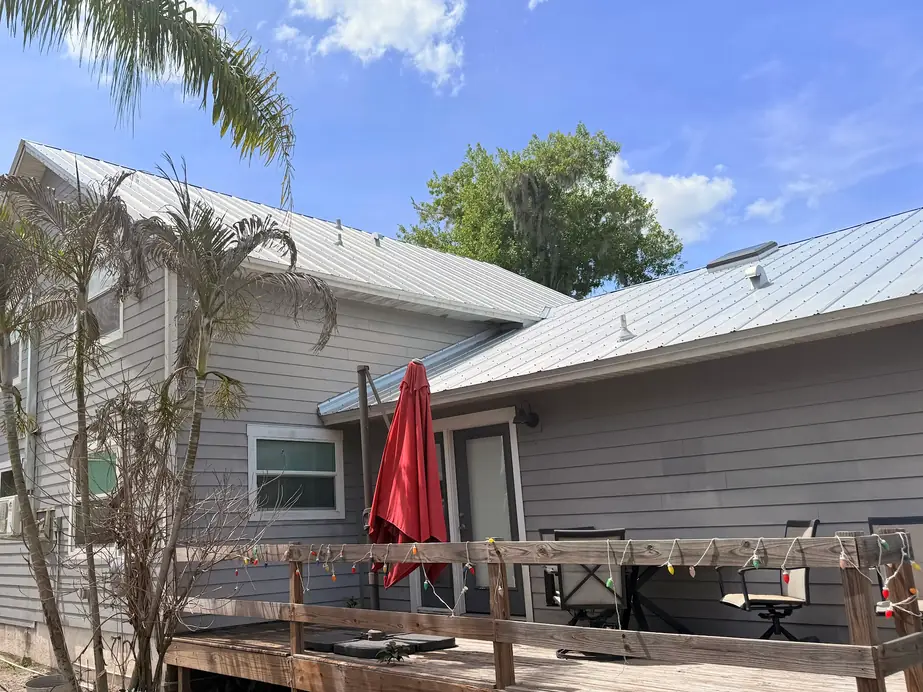
Replacing a roof is a large piece of work on the most important part of the building, and for most people it is unfamiliar territory. Knowing the sequence in advance makes it much easier to tell a thorough contractor from a fast one.
This is the process we follow at CBS Roofing and Waterproofing, in order.
Stage 1: the first call, and a prompt reply
It starts with a phone call or an online form. What you should get back is a prompt response from someone who can actually talk about the roof rather than just book a slot.
This stage is worth paying attention to. How a contractor handles the first contact is usually a fair preview of how they handle the rest of it.
Stage 2: the assessment, from satellite and from the ladder
We take satellite measurements of the roof and combine them with a thorough on site inspection. Both, not either.
The satellite work gives precise dimensions without guesswork. The on site visit is what tells us about condition, the details around penetrations, the state of the flashing, and anything that is going to need attention once the old covering is off. That second half is what prevents unexpected costs appearing halfway through the job.
If a contractor quotes without getting on the roof, ask why. A roof measured from the ground is a roof that can still surprise everyone later.
Stage 3: a detailed, line by line proposal
The proposal comes back itemised. Materials, quantities and scope are visible, so you can see what you are being charged for and compare it against anyone else's quote on equal terms.
Our terms are the same on every job: the estimate is free, there are no hidden fees, and there is no deposit up front. Payment is not required until the work begins. That last point matters, because a large deposit before any work has happened is one of the more common ways people get stung in this trade.
Stage 4: permits, inspections and documentation
We manage the permits and coordinate the inspections. It is part of the job, not an administrative extra handed back to the homeowner.
The work also gets photographed as it goes. Those photographs serve two purposes: they support an insurance credit, and they are the record of what was actually done underneath a covering that will not be opened again for years.
Stage 5: construction, and being told what is happening
Then the work itself. The old covering comes off, which is the first time anyone gets a clear view of the decking underneath, and anything that needs attention there gets dealt with before the new roof goes on.
What we aim for during this stage is simple: you should always know what happened today and what is happening tomorrow. Our customers tend to describe it in terms of the crew rather than the process. Showing up early each morning, taking lunch in shifts so work never stopped, and cleaning up properly at the end of every day are the things people actually remember.
What happens when the tear off finds something
This is worth setting expectations on, because it happens on a fair proportion of older roofs. Once the old covering is off, the decking underneath is visible for the first time in years, and sometimes there is soft timber, an old repair that was never done properly, or damage around a penetration that nobody could have seen through the covering.
A contractor who never finds anything is not lucky, they are not looking. What matters is how it gets handled: you should be told, shown, and given the cost before the work proceeds, not presented with it on the final invoice. One of our customers described exactly that on a metal roof replacement, saying the crew uncovered unseen problems and repaired them without an additional charge.
What you can do before the crew arrives
There are a few things that make the job go faster and protect your property. Move vehicles off the driveway and away from the working area, since the tear off produces debris and the crew need somewhere for the trailer. Take pictures off walls in rooms directly under the roof, because a full replacement means impact and vibration overhead.
If you have anything delicate in the attic, move it or cover it. And if there are gates, pets or access issues the crew need to know about, say so at the proposal stage rather than on the first morning.
After it is finished
Most projects carry a five year workmanship warranty, and tile installations carry an extended eight year warranty. Because our crews work to manufacturer guidelines, the product warranties on the materials stay valid as well.
The other thing that should happen is a follow up. A contractor who disappears the moment the invoice clears is a contractor you cannot call when something needs looking at.
Questions worth asking any roofer
- Are you licensed and insured, and what is the licence number?
- Will you get on the roof before quoting?
- Is the proposal itemised?
- How much do you want up front?
- What workmanship warranty comes with the job, and what voids the material warranty?
If you would like a free estimate on a replacement in Sarasota, Bradenton, Venice or North Port, call (941) 926-1900.
CBS Roofing & Waterproofing Inc., (941) 926-1900
Call (941) 926-1900More articles
Emergency Roofing: What To Do Immediately After Storm Damage
Extreme weather can leave a roof vulnerable in minutes, and the worst of it is rarely the part you can see from the driveway.
8 Ways To Protect Your Home And Extend Your Roof's Lifespan
A roof rarely fails all at once. It fails slowly, in a handful of predictable places, and most of those are cheap to stay ahead of.